Composting is one of the most impactful things a home gardener can do. It's not complicated, it doesn't smell bad when done right, and the end result is some of the best soil amendment money can't buy.
What Is Compost?
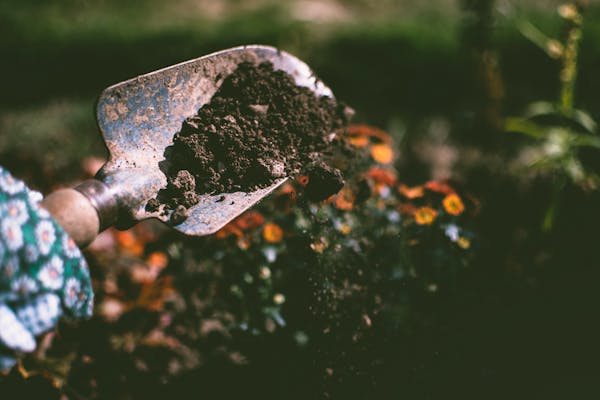
Compost is decomposed organic matter broken down by microorganisms, fungi, and worms into dark, crumbly humus. When you add compost to garden beds, you improve soil structure, add nutrients, and feed the microbes that keep soil healthy.
What You Can Compost
Green materials (nitrogen-rich): vegetable scraps, fruit peels, coffee grounds, fresh grass clippings, plant trimmings.
Brown materials (carbon-rich): dry leaves, cardboard, paper, straw, sawdust, wood chips.
Avoid: meat, fish, dairy, oily foods, diseased plants, or pet waste.
How to Get Started
- Choose a bin or designate a compost corner in a shaded part of your yard
- Alternate layers of greens and browns in a roughly 1:3 ratio
- Keep your pile moist — like a wrung-out sponge, not wet
- Turn the pile every week or two to add oxygen and speed decomposition
- Finished compost looks dark, crumbly, and smells like earth — not garbage
Most backyard compost piles produce usable compost in 2–6 months. Once you start composting, your kitchen waste transforms from trash into treasure — and your garden will show the difference immediately.